A Simple Gratitude Practice for the Holiday Season
Name one good thing at dinner, fill a family jar, write a short thank-you note or take a quiet minute. Easy feel-good habits as Thanksgiving approaches.
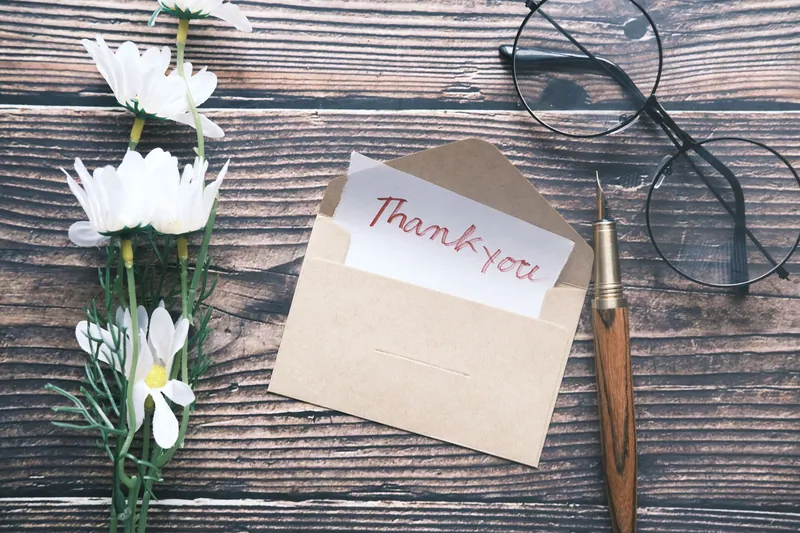
Here’s the plan: pick one small gratitude habit for the weeks before Thanksgiving and keep it light. Name one good thing at dinner, drop a note in a family jar, jot three small joys at bedtime, take a quiet minute or write a short thank-you note. You don’t need a perfect journal, a fancy setup or a faith tradition that matches anyone else’s. The holidays can feel crowded before they even start. A tiny daily thank-you is a way to notice what’s already here.
Why a little thanks helps
In positive psychology research, gratitude is strongly and consistently associated with greater happiness, according to Harvard Health. The same overview notes that gratitude helps people feel more positive emotions, relish good experiences, deal with adversity and build strong relationships. Harvard also cautions that studies like these can’t prove cause and effect, so treat the research as encouragement, not a promise. A habit doesn’t have to be long to count. It just has to be something you’ll actually do on a Tuesday night when the dishwasher is running and someone still needs a signed permission slip.
1. Name one good thing at dinner
Before anyone clears a plate, go around the table and name one good thing from the day. It can be tiny: the dog’s silly greeting, a funny lunch comment, sunshine on the drive home. Keep it optional and short. Little kids can say “my snack” or “recess.” Older kids can pass if they want. The point is the pause, not a performance. If dinner is chaos most nights, move the share to the car ride home or to the last two minutes before lights-out. Same habit, softer setting.
2. Start a family gratitude jar
Find a clean jar, a bowl or a mug and set it somewhere everyone can reach. Keep small scraps of paper and a pen beside it. Once a day, or a few times a week, anyone in the house can drop in a note about something they’re glad for. Folded notes work well with kids who like a little secrecy. On Thanksgiving weekend, or on any quiet Sunday before then, empty the jar and read a handful out loud. You can decorate the jar with leftover craft paper or leave it plain. The contents matter more than the container.
3. Write three small joys
If you want a quieter, solo version, try the “three good things” practice from UC Berkeley’s Greater Good Science Center. Each day for at least a week, write down three things that went well and why you think they happened. The items can be ordinary. Getting out the door on time counts. Greater Good in Action notes that people who tried this practice showed increased happiness right afterward and at follow-ups of up to six months in one study. Participants in that study were mostly white Americans with postsecondary education, so take it as a useful nudge for a busy season, not a one-size-fits-all fix. A notebook by the bed is enough. If you’ve made a cozy reading corner for dark evenings, that’s a lovely place to write for five minutes under the lamp.
4. Take a quiet minute
Gratitude can look like prayer, a silent thank-you or a short stretch of stillness. Harvard Health notes that people who are religious can use prayer to cultivate gratitude, and that it may help simply to thank someone mentally when you don’t have time to write. Set a timer for one minute. Sit with a warm mug, look out the window or rest a hand on your heart — the same kind of pause as in small evening rituals that help you wind down. Name one person, place or ordinary mercy you’re glad for. If prayer is your language, pray. If it isn’t, a quiet “thank you” said under your breath is plenty. You can do this while the coffee brews or after you buckle the last seat belt.
5. Write a short thank-you note
Before the season gets louder, pick one person you haven’t properly thanked. A teacher, a neighbor who took in a package, a friend who texted on a hard day, a grandparent who always asks the good questions. Harvard Health describes a study in which writing and personally delivering a letter of gratitude was linked to a larger boost in happiness scores than other exercises tested, with benefits lasting a month. UC Berkeley’s Greater Good in Action practice guide walks through the same idea: be specific about what the person did and how it mattered, and deliver it in person when you can. A mailed note, a text you really mean or a voice memo still counts if a visit isn’t possible. Keep it short. Three or four sincere sentences beat a perfect essay you’ll never send.
Keep it light through Thanksgiving
You don’t need to do every habit at once. Choose one for weekdays and save the jar opening or the thank-you note for a weekend. If a day is too full, skip it without guilt and pick it back up tomorrow. Gratitude that feels like another chore stops being gratitude.
When to reach for more help
A gratitude habit can brighten a hard week, but it isn’t treatment. The National Institute of Mental Health explains that everyone feels sad or low sometimes, and that depression is different when symptoms are severe and affect daily life. If low mood sticks around, talk with a health care provider. If you’re in crisis, call or text 988.
Maren’s gratitude playlist
Warm, hopeful songs for dinner cleanup, jar notes and that one quiet minute by the window.
- “Morning Has Broken” by Cat Stevens
- “Kind & Generous” by Natalie Merchant
- “Thank You” by Dido
- “Stand by Me” by Ben E. King
- “Somewhere Over the Rainbow” by Israel Kamakawiwoʻole
- “Bridge Over Troubled Water” by Simon & Garfunkel
- “Songbird” by Eva Cassidy
- “Peaceful Easy Feeling” by Eagles
Press play, name one good thing and let the season start a little softer.