How to Host Thanksgiving Guests With Food Allergies
Ask early, read every label, keep safe dishes separate and know the signs of a serious reaction, so everyone at your table can eat with confidence.
We independently pick everything we recommend. When you buy through our links, Heart Habits may earn a commission. Learn more
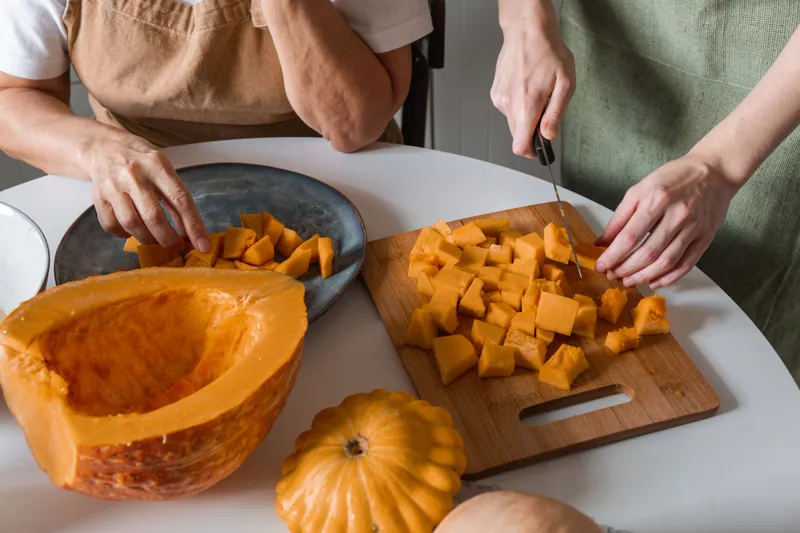
Here’s the short version: ask every guest about food allergies when you invite them, keep the packaging for everything you cook, and give safe dishes their own utensils, cutting board and serving spoon. Label the buffet, let your allergic guest serve first and say yes when they offer to bring a dish. Then learn the signs of a serious reaction, so you know that epinephrine comes first and 911 comes right after.
You don’t have to cook a fully allergen-free feast to be a great host. You just need a plan, a few honest conversations and a clean kitchen. Food allergies are common enough that the CDC estimates they affect about 1 in 13 children, so chances are good someone at your table is managing one.
As an Amazon Associate I earn from qualifying purchases.
Ask early, and ask specifically
FARE’s first tip for hosts is simple: ask your guests about any food allergies they may have. Ask when you send the invitation, not at the door, so there’s time to plan. Ask which foods, how careful they need to be about traces, and whether they’d rather bring something of their own.
It helps to share your menu, too. FARE suggests allergic guests call their host in advance to learn about the menu, so sending it first takes the awkwardness out of it. If someone’s allergy feels like a lot to manage, that’s OK. Tell them what you can do, and let them fill in the rest.
Read every label, every time
In the U.S., nine foods are major food allergens: milk, eggs, fish, crustacean shellfish, tree nuts, peanuts, wheat, soybeans and sesame. Sesame is the newest, added as the ninth major allergen effective January 1, 2023. Packaged foods regulated by the FDA must name these allergens in the ingredient list, like “whey (milk),” or in a “Contains” statement right after it.
A few label details matter. The law requires the specific tree nut, fish or shellfish to be named, such as pecans or shrimp. “May contain” warnings aren’t required by law, so a product without one isn’t automatically safe, and your guest can tell you how they handle those. The AAP also advises checking labels every time you buy a product, because ingredients can change.
Don’t skip the turkey. The FDA’s allergen labeling law doesn’t cover poultry and most meats, which are regulated by other federal agencies, and FARE warns that allergens can hide in the seasonings and juices of many packaged meats. Read the full ingredient list on the bird, the broth and any brine or rub. Then hang on to the packaging, or snap a photo of the label, so you can show any guest who asks.
Know where allergens hide on the Thanksgiving menu
FARE calls a traditional Thanksgiving meal a minefield of top allergens, and its list reads like most family menus. Watch for these:
- Stuffing and dressing: usually wheat from the bread, and sometimes nuts in stuffing, pilafs and “special occasion” vegetables
- Gravy: often wheat from flour used to thicken it
- Mashed potatoes and casseroles: milk in potato dishes, plus butter and cream
- Brines and basting liquids: sometimes soy
- Desserts: pecan pie is the obvious one, but FARE notes desserts can hold all of the above, including eggs and milk in baked goods
Butter deserves its own reminder. FARE lists butter, ghee, cream and whey among the ingredients that mean milk, and notes milk can turn up in breads, margarine and baked goods. If a guest avoids milk, check the rolls and the pie crust too.
Keep safe food safe in the kitchen
The main risk is cross-contact, when one food touches another and their proteins mix. The amounts can be too small to see and still cause a reaction. And unlike germs, allergens aren’t destroyed by heat: FARE says cooking does not reduce or eliminate the chance of a reaction.
Make the safe dishes first. FARE suggests cooking the allergen-free food first, then keeping it covered and away from splatter while you make everything else. Use utensils and pans that have been thoroughly washed with soap and water, and don’t reuse a spoon that touched another dish.
Give safe food its own tools. FARE recommends separate utensils for safe and unsafe foods, and notes some families mark them with different colors. A dedicated cutting board and serving spoon for the safe dish is an easy place to start.
A Joseph Joseph Folio color-coded cutting board set makes that easier, with four boards you can assign to different foods.
Wash hands and surfaces with soap and water. Wiping crumbs away isn’t enough; FARE says to wash surfaces with soap and water. For hands, soap and water or commercial wipes remove food allergens, but sanitizing gels or water alone won’t. Keep the hand sanitizer for germs, and send everyone to the sink before they touch the safe dish.
Serve it smart
Label every dish. FARE suggests ingredient labels so everyone can see what’s in each dish. A folded card listing the main ingredients and any of the nine major allergens is plenty. It also saves you from answering the same question 10 times.
Let your allergic guest go first. On a buffet, FARE recommends letting people with food allergies serve themselves first to limit the risk of cross-contact. Spoons wander between dishes as the line moves. Set the safe dishes apart, each with its own spoon, and ask kids to leave that end of the table alone.
Say yes when a guest offers to bring a dish
Many allergic guests would rather bring something they trust, and FARE encourages them to ask about bringing a safe dish. That isn’t a comment on your cooking. It’s one less thing for both of you to worry about.
Make room for it. FARE suggests a separate container and serving utensil for the person with the allergy, with enough for seconds. Give it a spot away from the main spread and a label with their name on it.
Know the signs of a serious reaction
Reactions can show up within a few minutes to a few hours after eating. A severe, whole-body reaction is called anaphylaxis, and its warning signs usually affect more than one part of the body. They can include:
- Hives or a red, itchy rash, and swelling of the throat or other areas
- Wheezing, coughing, chest tightness, trouble breathing, a hoarse voice or trouble swallowing
- Vomiting, diarrhea or stomach cramps
- Dizziness, a weak pulse, pale or blue skin, or feeling faint
- A feeling of impending doom
Not every serious reaction includes hives: ACAAI notes that 10 to 20 percent of life-threatening reactions have no skin symptoms. A mild start doesn’t mean it will stay mild, either. The FDA warns that symptoms can become life-threatening in a short amount of time.
If it happens, epinephrine comes first. Follow the guest’s emergency plan, and for a severe reaction, the AAP says to give epinephrine right away and then call 911. If epinephrine has been prescribed and anyone is unsure whether the reaction is serious enough, ACAAI says to use it right away. Tell the dispatcher it’s anaphylaxis, and plan on the hospital even if they start to feel better, because FARE says symptoms may return.
Antihistamines don’t replace epinephrine. ACAAI is clear that antihistamines are not adequate substitutes, because they don’t reverse airway swelling or raise low blood pressure. AAAAI’s advice is just as plain: don’t take an antihistamine or wait to see if symptoms get better. If there’s no epinephrine in the house and you see signs of anaphylaxis, call 911 right away.
Know where the epinephrine is. ACAAI advises carrying two doses, and FARE reminds guests not to leave home without their two auto-injectors. When they arrive, ask where theirs are, and if the guest is a child, who else knows how to use them.
The bottom line
Ask early, read every label (the turkey’s too) and keep the packaging. Cook the safe dishes first, give them their own tools and serving spoons, and wash hands and counters with soap and water, not sanitizer. Label the buffet, let your allergic guest serve first and welcome the dish they bring.
If a reaction looks serious, or you’re unsure, give epinephrine right away if it’s been prescribed and then call 911. If there’s no epinephrine in the house, call 911 right away. Everything else on the menu can wait.
More from Hearthabits: