Cold-Weather Walking: How to Keep Going When It's Chilly
Layer up, warm up indoors, watch your footing and stay visible after dark. A practical guide to keeping your walk habit going when it's chilly.
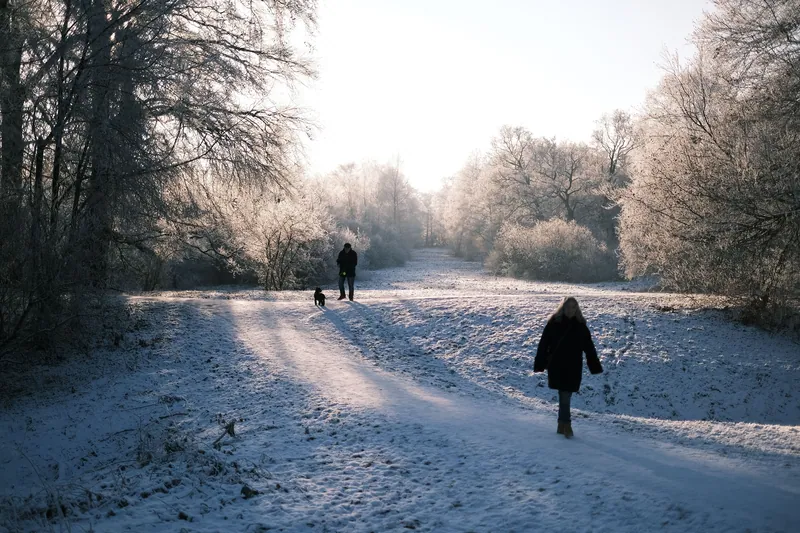
Cold weather is not a reason to quit walking. It is a reason to change how you dress, how you start and how you pick your route. Adults still benefit from at least 150 minutes a week of moderate activity such as brisk walking, and the federal Physical Activity Guidelines note that any amount of moderate-to-vigorous activity counts toward that goal. A shorter loop on a cold day still adds up.
If you already walk regularly — including with a weighted vest on milder days — think of cold-weather walking as the same habit with a few extras stacked on top: warm up inside first, layer so you can peel, choose footing you trust and make sure drivers can see you in the early dark.
Warm up indoors first
Cold muscles take longer to acclimate. Mayo Clinic orthopedic guidance for outdoor winter exercise is to double your usual warm-up time and ease into intensity, rather than stepping straight into a brisk pace on a cold sidewalk.
For a walk, that can be simple:
- March in place, do easy arm circles or walk hallways for 5 to 10 minutes until you feel warm, not sweaty.
- Then start the outdoor walk at an easy pace for another few minutes before you pick it up. Mayo Clinic’s general aerobic advice is to warm up with a slow version of what you’re about to do — so for a brisk walk, begin by walking slowly.
Save static stretching for after your aerobic warm-up. Stretching cold muscles is not the goal here; getting blood flowing is.
Layer so you can peel
The Centers for Disease Control and Prevention (CDC) recommends several layers of loose-fitting clothing, plus a hat, a water-resistant coat, water-resistant boots, mittens or gloves, and a scarf or knit mask that covers your face and mouth when you need them. Cover the spots frostbite affects most often: nose, ears, cheeks, chin, fingers and toes.
CDC’s winter activity tips put it in walker language: wear several layers you can remove as you warm up so you don’t overheat, sweat through everything and then get chilled.
A practical stack for most neighborhood walks:
Base and mid layers
- Base: something that sits against your skin and doesn’t stay soggy. Mayo Clinic says to avoid cotton next to the skin, which can stay wet and cold, and suggests warm materials such as wool or fleece.
- Mid: a fleece or sweater for trapped warmth you can unzip or shed if you heat up.
Outer layer and extremities
- Shell: a water-resistant coat or jacket that blocks wind and light rain or snow.
- Head, hands, feet: hat, mittens or gloves (Mayo Clinic Health System says mittens protect better), and boots or shoes with a sole you trust. CDC also flags water-resistant boots as part of outdoor cold-weather dress.
You should feel slightly cool when you step outside, then comfortable once you are moving. If you are toasty while standing still at the door, you will likely overheat two blocks in.
Watch wet leaves and early ice
Fall and early winter sidewalks can look fine and still be slick. Wet leaves hide smooth pavement underneath. Thin ice shows up in shade, on painted surfaces, on wooden steps and near melting-and-refreezing spots long before a full snow day.
Mayo Clinic Health System’s winter fall-prevention tips are boring and useful: wear shoes with good support and traction (or add ice grips when surfaces are icy), slow down, take small steps with feet pointed slightly forward — the “penguin” shuffle — and use handrails or a walking stick when you have them.
A few walker habits that help:
- Choose cleared, familiar routes with good lighting over scenic shortcuts through leaf piles or unlit parks.
- Keep your hands free for balance when the ground looks questionable — pockets and phone scrolling can wait.
- Shorten the walk rather than toughing out a stretch you do not trust. CDC’s winter activity page is clear that slippery conditions are a reason to plan ahead, and indoor options like stairs or housework still count toward your minutes.
If the forecast is extreme cold, heavy ice or a winter storm, skip the outdoor walk. Mayo Clinic advises that air temperatures below about 0°F, extreme wind chill, or exercising in rain can make outdoor exercise unsafe even with the right clothes, so on those days cut the workout short or move it inside.
Be easy to see in the early dark
Shorter days mean more walks happen at dusk, dawn or after dinner. The National Highway Traffic Safety Administration (NHTSA) tells pedestrians to wear bright colors by day and reflective materials or a flashlight at night. The National Safety Council (NSC) says the same in plain terms: wear bright and/or reflective clothing, and use a flashlight at night.
NHTSA’s broader pedestrian guidance also covers the route habits that matter when visibility is low: use sidewalks when you have them; if you don’t, walk facing traffic and as far from cars as you can; cross at crosswalks or intersections; stay alert; and make eye contact with drivers before you step out.
Easy upgrades for a cold-weather walk:
- A reflective vest, clip-on reflectors or reflective details on a jacket and shoes
- A handheld flashlight or a headlamp so you can see the sidewalk and so drivers can see you
- Well-lit streets over dark shortcuts, even if the dark path is prettier
Family walks in costume already taught a lot of us the “be seen” lesson — the same idea applies on an ordinary November evening, whether you’re solo or turning a neighborhood stroll into a family walk.
If kids are coming along, the American Academy of Pediatrics (AAP) advises dressing them in several thin layers, with warm boots, gloves or mittens, and a hat, and using about one more layer for older babies and young children than an adult would wear in the same conditions. Build in indoor warm-up breaks, and head home before anyone is soaked or shivering hard.
Know when to cut it short
Hypothermia can happen in very cold weather, and the CDC notes it can also show up in cool temperatures above 40°F if someone is wet from rain, sweat or cold water and becomes chilled. Adult warning signs include shivering, exhaustion, confusion, fumbling hands, memory loss, slurred speech and drowsiness. Frostbite often starts with redness or pain in an area of skin; later signs can include white or grayish-yellow skin, skin that feels firm or waxy, and numbness.
If those show up, get somewhere warm, remove wet clothing and seek medical care. Hypothermia is a medical emergency. Do not rub frostbitten skin or warm it with a stove, heating pad or fireplace — numb tissue burns easily, which is why CDC’s frostbite guidance says to use warm (not hot) water or body heat instead.
Also come inside if your clothes are soaked, your hands or feet go numb, the wind picks up harder than you planned for, or the sidewalk turns into a skating rink mid-walk. Ending early is still a win.
Check with your doctor first if…
Talk with your doctor before you push outdoor walking in the cold if you have a heart or lung condition; get chest pain, unusual shortness of breath, dizziness or light-headedness with activity; or have circulation problems such as Raynaud’s. Mayo Clinic notes that heart or lung disease (and some other conditions) can raise cold-weather risk, and cold air can aggravate exercise-induced asthma for some people.
Stop and get medical help if you develop chest pain or discomfort; pain or discomfort in the jaw, neck, back, arms or shoulders; shortness of breath; or feeling weak, light-headed or faint during or after a walk. Those are not “walk it off” symptoms.
The bottom line
Keep the walk — change the setup. Warm up inside, layer so you can peel, choose footing you trust and light yourself up like you mean to be seen. On the days ice or extreme cold wins, move the minutes indoors and try again tomorrow. Consistency beats heroics — in July and in November.